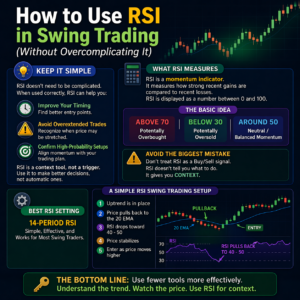
How to Use RSI in Swing Trading (Without Overcomplicating It)

The Relative Strength Index (RSI) is one of the most popular indicators in trading—and one of the most misunderstood. Many beginners fall into one of two extremes when it comes to RSI. They either: Ignore it completely, assuming it’s just another indicator they don’t need Or they overcomplicate it, turning a simple tool into a […]

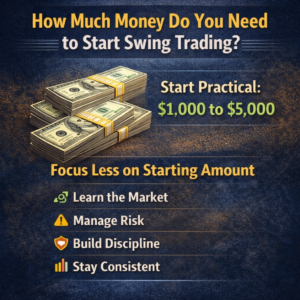
How Much Money Do You Need to Start Swing Trading? One of the most common questions new traders ask is: “How much money do I need to start swing trading?” It’s a logical question—and an important one—because your starting capital influences not just what you can trade, but how you experience trading overall. The answer […]

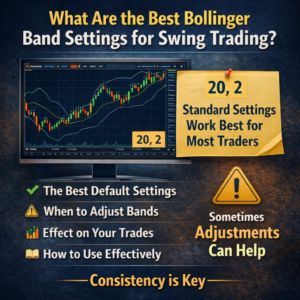
Best Bollinger Band Settings for Swing Trading

Bollinger Bands are one of the most effective tools for swing traders because they provide a clear, visual way to understand how price is moving, how volatile the market is, and where potential opportunities may be forming. Instead of guessing whether a stock is extended or fairly priced, Bollinger Bands show you that information directly […]

Swing Trading vs Day Trading: Which Is Better for Beginners?

If you’re new to the stock market, one of the first—and most important—decisions you’ll face is how you want to trade. This choice shapes everything that follows, from how much time you spend analyzing charts to how you manage risk and even how you handle the emotional side of trading. Many beginners jump straight into […]

How to Use Bollinger Bands for Swing Trading

Bollinger Bands are one of the most widely used technical indicators in the trading world. Developed by trader and analyst John Bollinger in the 1980s, the indicator was designed to help traders understand price movement, volatility, and potential turning points in the market. Over time, Bollinger Bands have become a standard tool on most trading […]

Next Page »